
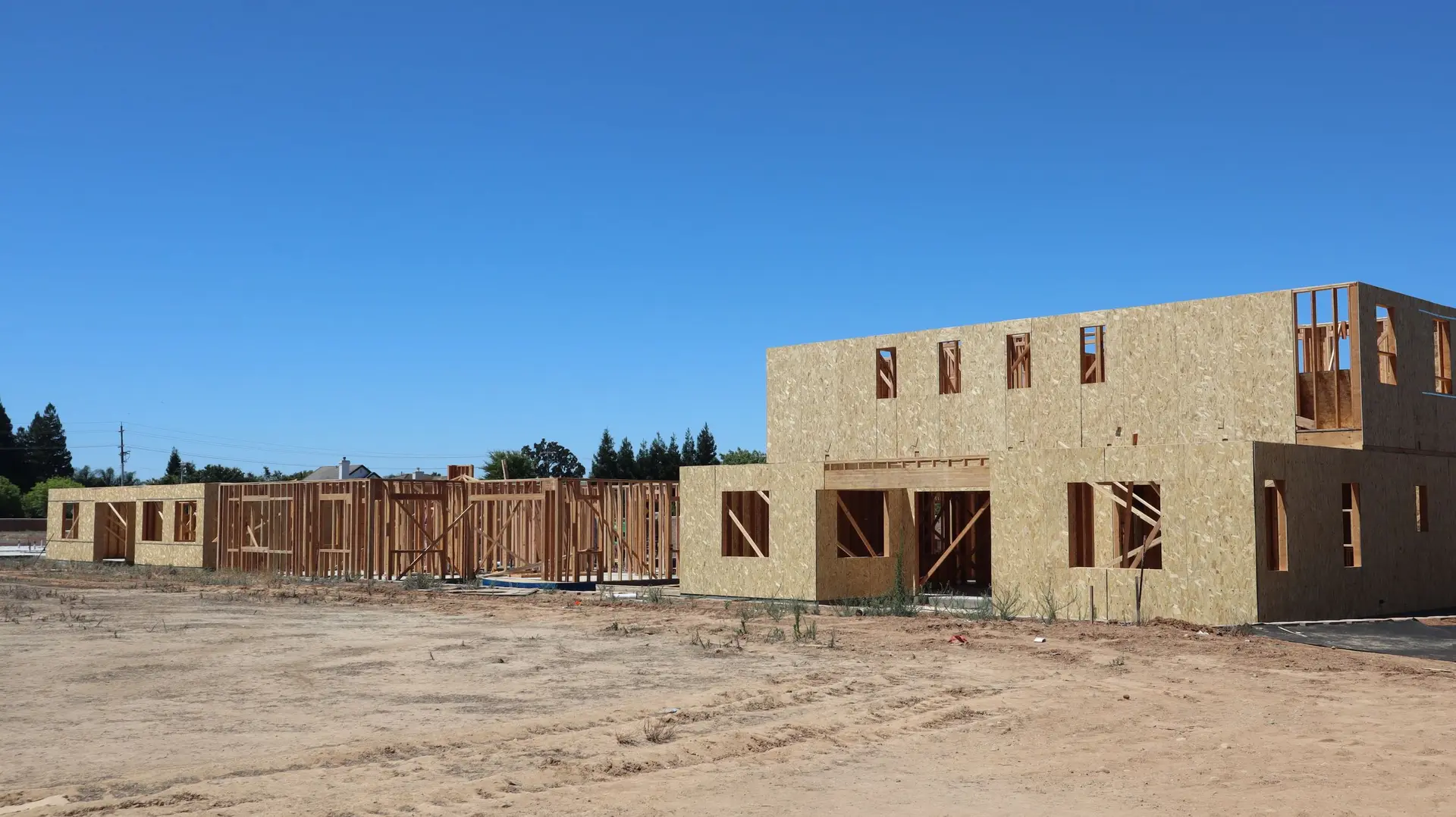
New Construction in Rolling Hills, Probed for Termites First
Before pricing a new Rolling Hills house we probe the cleared lot for buried wood and termite signs, then plan treated framing and soil protection.
Our first probe on a cleared Rolling Hills lot goes into the ground the old house left. Buried form boards, stumps and scrap lumber feed subterranean termites, and a colony living in that wood will move on to a new frame. A steel rod pushed through the topsoil finds hidden wood, we dig where it catches, and any fence or shed still standing is checked for mud tubes. What turns up shapes the soil treatment and lumber in the quote.
Reading what the probe finds
Subterranean termites travel through soil inside mud tubes and feed on wood that touches damp ground, so roots, buried offcuts and an old timber retaining wall all count. Each find is marked on the site plan, and the grading crew takes the wood out down to clean soil before the pad is compacted. A licensed pest control operator can then confirm whether a colony is active and recommend a treatment ahead of construction. Until that report says otherwise, we treat every find as live, since a dormant colony and an active one look alike in a shovel of dirt.
Protecting the new frame
Code already requires treated wood wherever a sill plate rests on concrete. Past that, framing lumber can be ordered with a borate treatment that termites avoid, or the lower wall framing can be sprayed with borate before insulation closes it in. The soil under the slab can be treated before the vapor retarder goes down, and a stainless mesh or a graded sand layer offers a physical barrier. Each choice is priced on its own line, with the pest report attached so you can see what the probe changed.
About our New Construction serviceEverything we build in Rolling Hills
New Construction in Rolling Hills: questions
The boundary survey and the title report come first, along with any soils work from the earlier house. Tell us whether the parcel connects to a public sewer or relies on an onsite system, and we will check whether a coastal zone review applies. Those answers fix the site plan before rooms are drawn.
Consultants, testing and agency fees open the estimate, and the build follows stage by stage. Debris removal, any soil treatment and the borate framing each get a line, so the termite work can be read against the pest report that called for it.
The pest inspector is the unusual name on this team, and we fit that visit between the survey and the soils borings so both reports describe the same cleaned ground. Our office keeps the dates and passes each report to the structural engineer before foundation design begins. You get one schedule and one point of contact for all of it.
New Construction in other cities
More we build in Rolling Hills
Plan your project in Rolling Hills
Tell us about the property and what you have in mind. We reply with a written next step.