
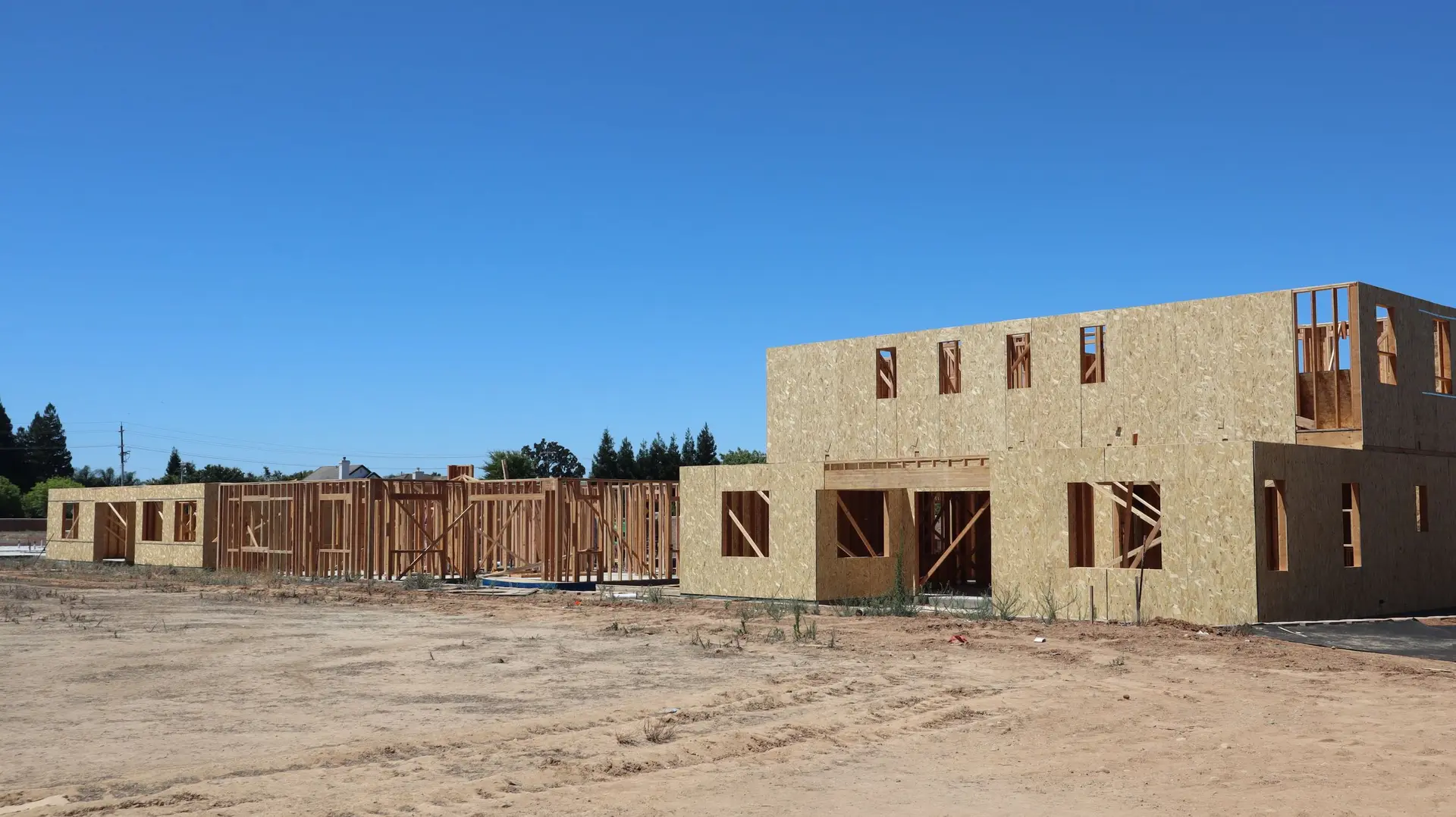
New Construction in Downey, Starting Below the Cleared Surface
A cleared Downey lot can hide an old sewer line, a buried tank or loose fill. Finding one early changes the foundation plan before the house is drawn.
Under a cleared Downey lot there may be things no demolition crew pulled out: an abandoned sewer line, an old footing, a buried oil tank or a pocket of loose fill where a pool once sat. Each one changes how a new house is founded. We look for them before the structural drawings are final, so the foundation is designed around what the ground actually holds and the quote carries the fix.
How we look
We start with the demolition records and any permits on file for the parcel, which can show a pool, a septic system or an addition that later came down. On the lot, we probe soft spots, locate the old sewer cleanout and run a camera through the lateral toward the street. A utility locate marks live lines. Where the records or the probing hint at buried fill, test pits dug with a small excavator let the soils engineer see the layers directly before the report is finished.
What a find changes
An abandoned line or tank is removed or filled under permit, and the hole is backfilled in compacted lifts that the soils engineer tests. Loose fill may be dug out and replaced, or the engineer may deepen the footings to reach firm soil below it. A cracked or root-filled lateral is usually replaced to the main while trenches are open anyway. Each of these shifts the foundation plan or adds a line to the site work, so we settle them before the frame is priced.
About our New Construction serviceEverything we build in Downey
New Construction in Downey: questions
Send whatever the previous owner left: old permits, a pool or demolition record, the boundary survey and any soils report. Those papers point to what may still be buried. If none exist, our first visit adds probing and a sewer camera run to the list before the designer sketches a footprint.
The quote moves in build order from site preparation to finishes. Anything a probe or test pit turns up, such as tank removal or replacing loose fill, sits on its own line under site work with a short note on why. Permit fees and consultant work are grouped at the front.
Our office books them and keeps their dates on one schedule, so you have a single contact. When a trench uncovers something the soils report did not predict, the soils engineer sees it in the open excavation and writes a field letter. That letter, and any footing change it brings, goes into the permit file before backfill.
New Construction in other cities
More we build in Downey
Plan your project in Downey
Tell us about the property and what you have in mind. We reply with a written next step.