
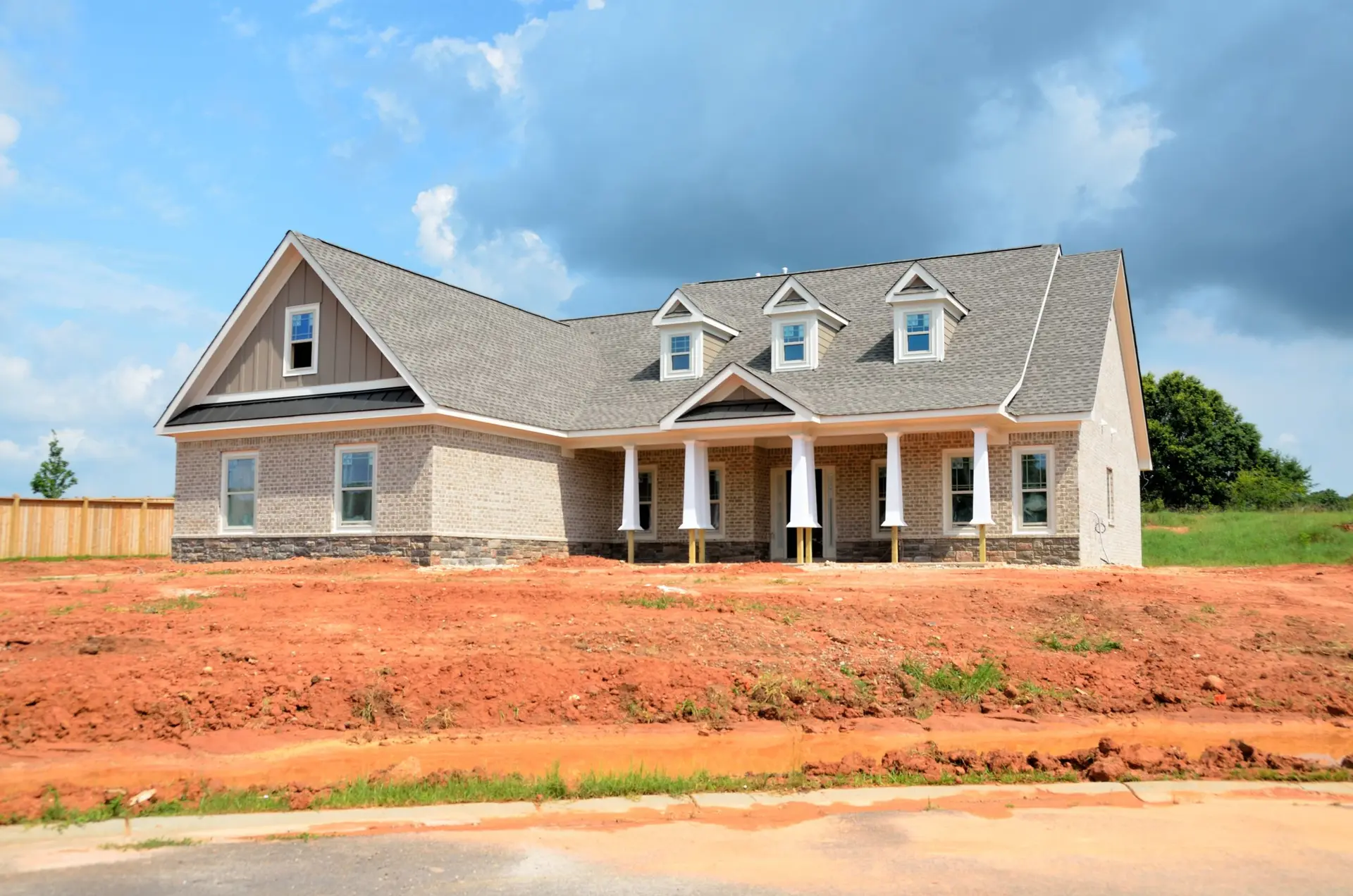
After a house is lost, one of the earliest choices is also one of the largest. Do you rebuild what stood there before, close to the same size and shape, or do you treat the cleared lot as a chance for new home construction and design something different?
There is no right answer for every family. There is a right way to decide: compare both paths on the same terms, with the permit route, the structure, the time and the budget laid out side by side. This guide walks through each of those for a lot in Los Angeles.
What like-for-like means to the permit office
In everyday speech, like for like means the same house again. To the City of Los Angeles, after the January 2025 fires, it has a narrower meaning. Under the mayor's emergency orders, a rebuild in substantially the same location, at no more than 110 percent of the original footprint and height, qualifies for a path with fewer planning reviews. On that path, some setbacks that would not be allowed today can stay where they were.
Three points are easy to miss:
- Like for like is about size and placement. The new house still meets today's building code, including the wildfire, energy and structural rules.
- You need to prove what was there. Old permits, plans, assessor records and photos help establish the prior footprint and height.
- The orders change. They have been amended several times. Check the current version, or have your builder check it for your parcel, before the design is set.
Lots outside the City of Los Angeles follow their own city's or the county's rules, which may differ.
What changes when you build bigger
Going past the like-for-like limit, or changing the house's placement, puts the project on the standard path. The house must then meet current zoning in full: setbacks, height limits, floor area limits and any hillside or coastal rules that apply to the parcel. Some lots gain little from the extra review because zoning caps the size anyway. Others can take a much larger house.
Building new also opens the design. A different layout, a second story, an ADU or a garage in a new position all become possible. The trade-off is review time and, often, more engineering.
Structure, foundation and slope decisions
The ground under the house shapes both options.
The old foundation. A foundation that survived the fire may look sound and still be weakened by heat. An engineer can test the concrete and the steel inside it. If it passes, reusing it can save cost on a like-for-like rebuild. If the new design changes the footprint, the old foundation often has to come out regardless.
Soils. A soils report tells the engineer what the ground can carry and how deep the footings must go. Many fire-affected and hillside lots need one either way.
Slope. If the lot slopes, the foundation, retaining walls and drainage can become a large share of the budget. A larger house on a sloped lot can mean more of that work, which is worth pricing before the design grows.
Time and budget trade-offs
Like-for-like rebuilds usually move through planning faster and may reuse more of what is on the lot. They also tie the house closely to the old plan, which may not suit how you live now.
Building new usually takes longer to permit and costs more to design and engineer. In return you get the house you want, and on some lots, meaningfully more of it.
Insurance plays into both. Many policies pay to rebuild a house like the old one, with separate coverage for code upgrades. Extra size or upgraded finishes beyond that are typically the owner's cost. Seeing both paths priced in the same line items makes the gap clear.
How to decide with a builder at the table
The best moment to involve a builder is before the design is fixed, when changes cost nothing but a redraw. A builder can:
- Check which path your parcel qualifies for under the current orders.
- Arrange foundation testing and the soils report early, since both shape the budget.
- Price both paths in the same format, so the difference is real and visible.
- Flag the design choices that drive cost, such as a second story, a large span of glass or a complex roof, while they can still be adjusted.
We run that comparison as the first stage of a fire rebuild or a new construction project, with structural work priced separately when the foundation or framing needs it. For owners in Pacific Palisades and across Los Angeles, the decision gets much easier once both paths are written down and priced on the same page.
The short version
Like for like is the faster path to a house close to the one you had. Building new is the slower path to a house that fits you better. Price both, check the current orders for your parcel, and decide with the numbers in front of you.